
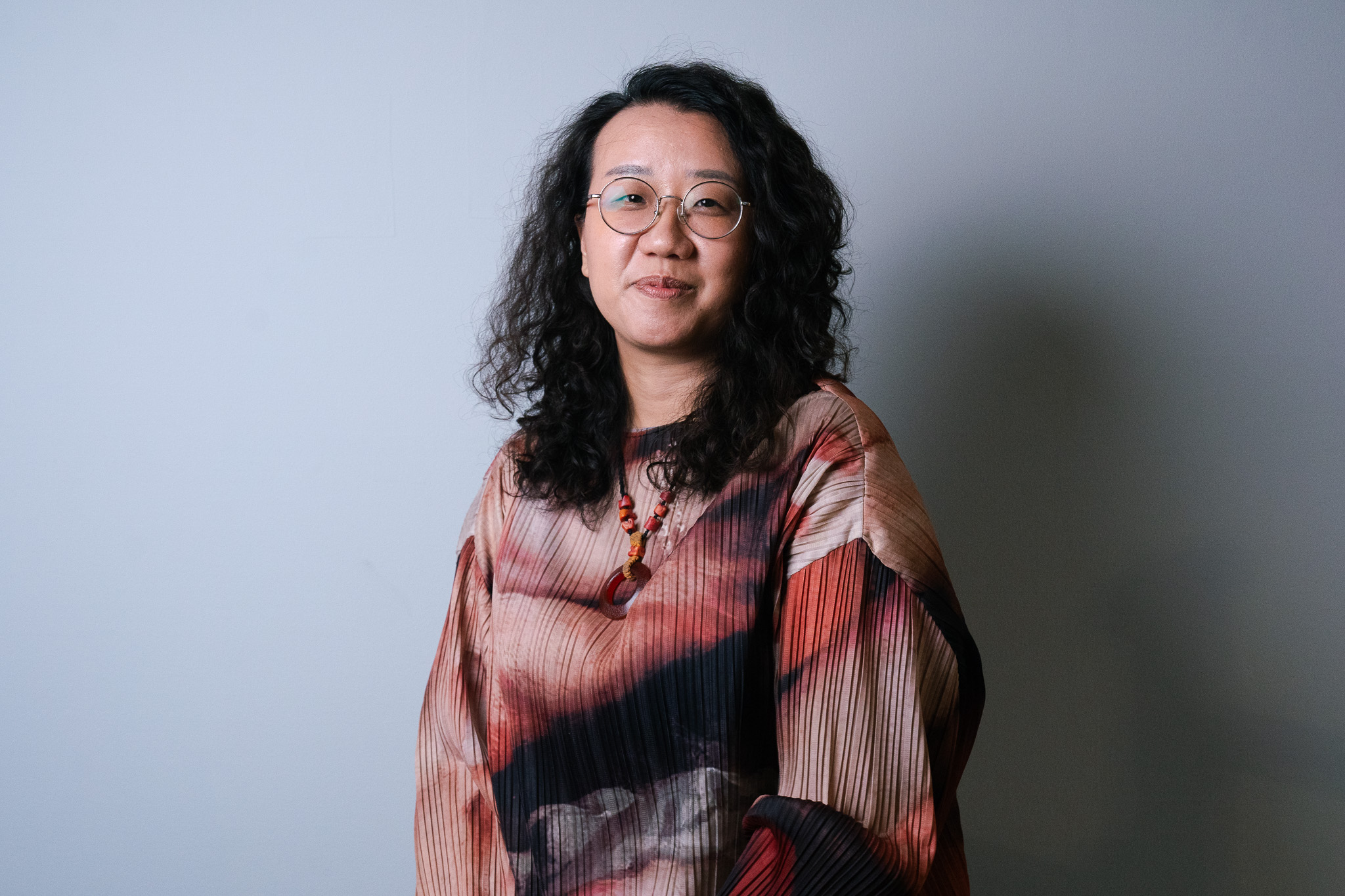
Convenor & Moderator| Jo-Yu Hsu
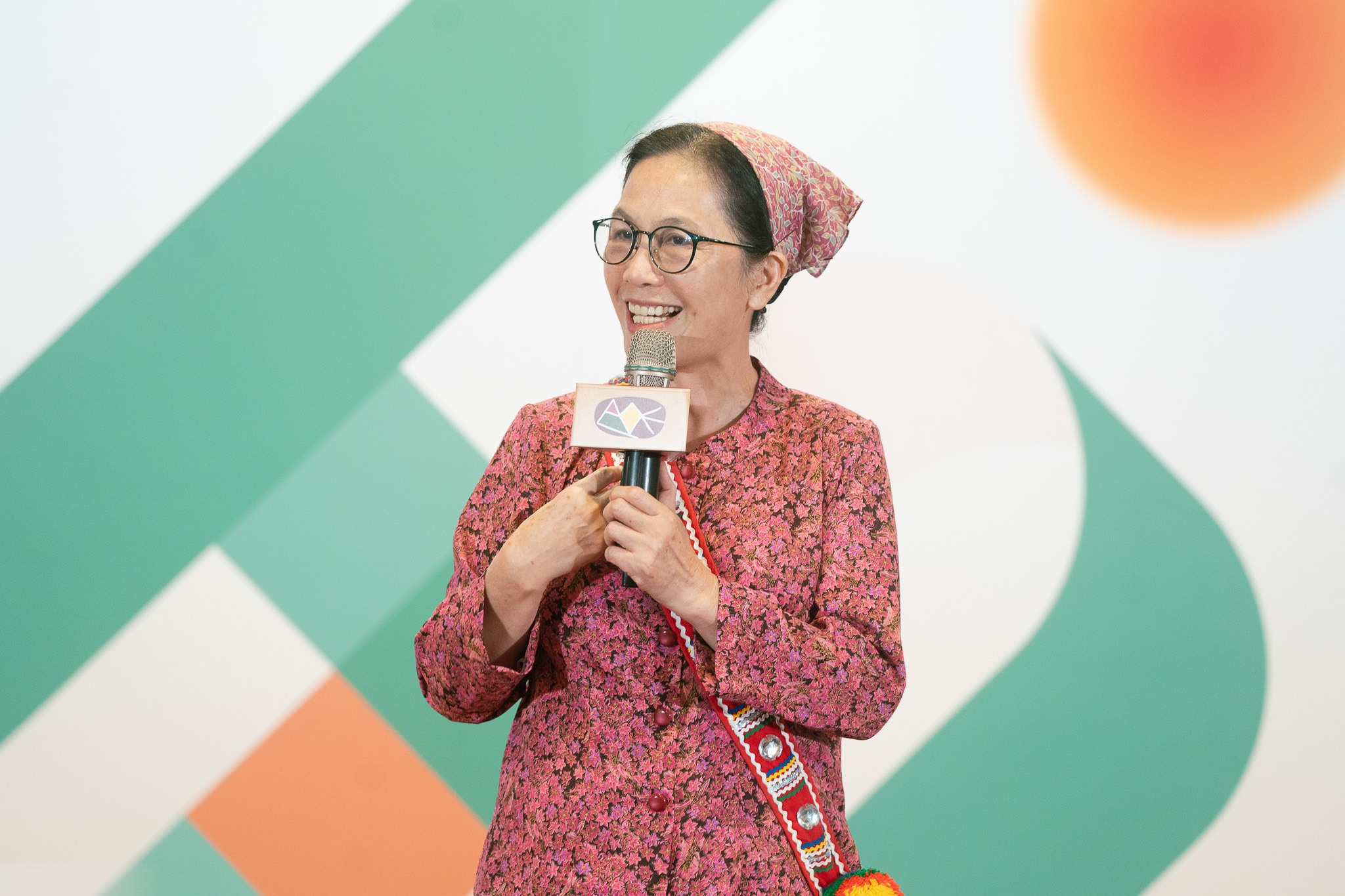
Taiwan Policy & Practice Case Respondent|Panay Mulu
Program Description
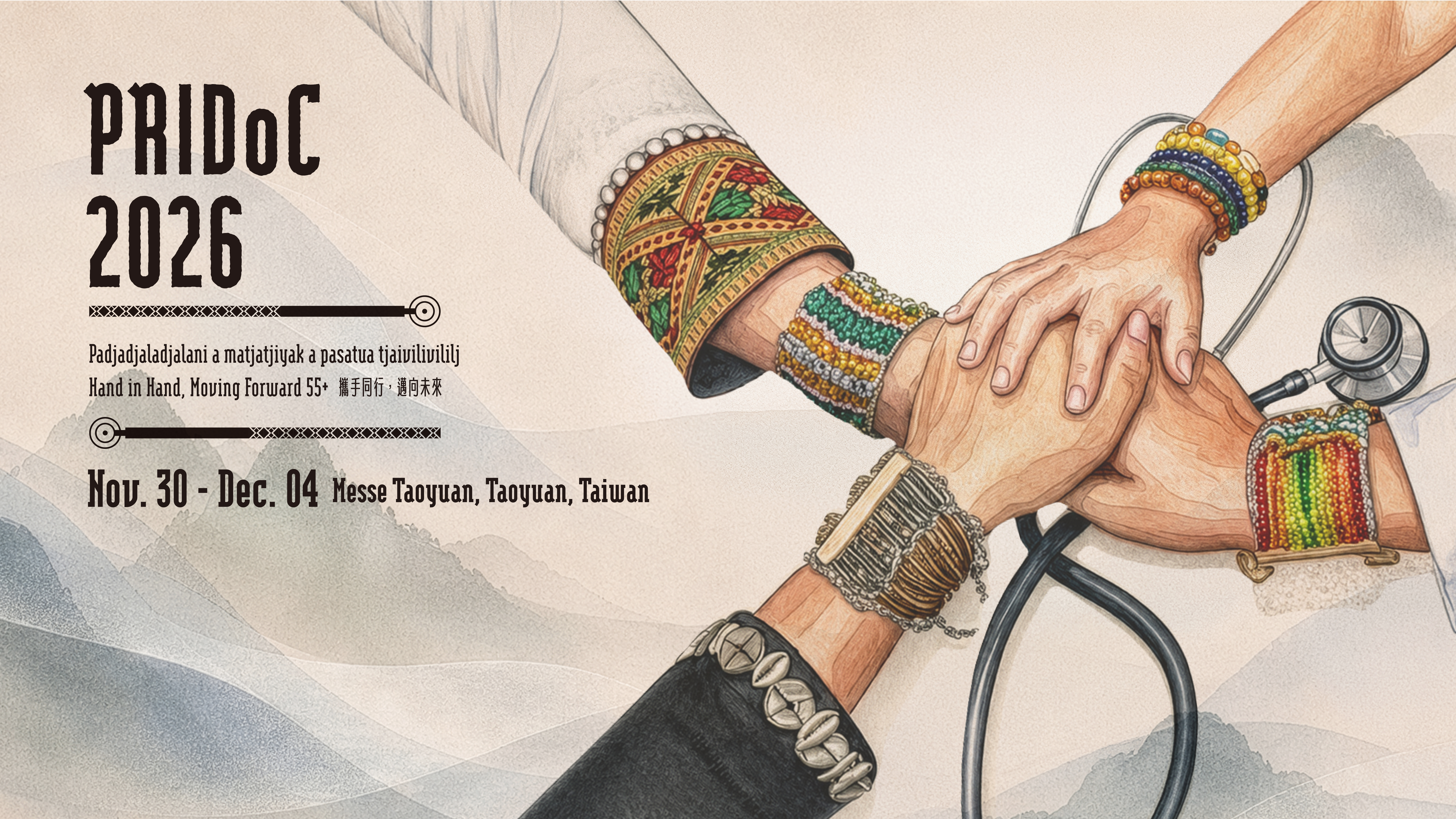
How a person understands illness and chooses care is shaped jointly by clinical diagnosis, lived experience, family, community cultural knowledge, and institutional rules. When Indigenous traditional healing and biomedical care meet in the process of care, the core questions are: Who can define illness, appropriate care, and safety? How are individual choice and the collective governance of knowledge protected? And how is clinical responsibility carried out? Cultural safety requires medical professionals and institutions to examine their own power, biases, and rules, and to include the judgments of those receiving care and their communities in assessing safety.
Using six PRIDoC (Pacific Region Indigenous Doctors Congress) member organizations as a comparative framework, the forum examines through concrete cases how traditional healing and primary care run in parallel, negotiate, refer to one another, or build institutional relationships, and asks further how the power to define, resource allocation, knowledge governance, and responsibility are put into practice. The Taiwan case starts from the gap between legal recognition and policy implementation, bringing community knowledge, individual informed choice, and clinical safety into public discussion. The value of comparing across contexts lies in identifying institutional arrangements that can serve as references, while clarifying the local rights holders and governance relationships that different practices depend on, so that cultural safety becomes a care practice that can be examined and held accountable.
Proposed by|Taoyuan Indigenous Peoples Development Foundation
Professional Partners|Medical Association for Indigenous People of Taiwan (MAIPT) / PRIDoC 2026
Participating Organizations|AIDA、ʻAhahui o nā Kauka、AAIP、IPAC、Te ORA、MAIPT
AIDA: Australian Indigenous Doctors’ Association
ʻAhahui o nā Kauka: Association of Native Hawaiian Physicians
AAIP: Association of American Indian Physicians
IPAC: Indigenous Physicians Association of Canada
Te ORA: Te Ohu Rata o Aotearoa (Māori Medical Practitioners Association)
MAIPT: Medical Association for Indigenous People of Taiwan
Participation
By professional invitation only
Related Presentations
PRIDoC Theme 1 |
Mental Health and Healing Approaches
Negotiating Authority over the Interpretation of Illness and Care: Revitalizing Fata’an Traditional Beliefs and Rituals
Presenter: Kulas Umo
PRIDoC Theme 2 |
Culturally Dignified Palliative and End-of-Life Care
Cultural Dignity from Dying and Death to the End of Mourning: Boundaries and Relational Responsibilities in Puyuma Communities
Presenter: Sakap Kakubaw and team